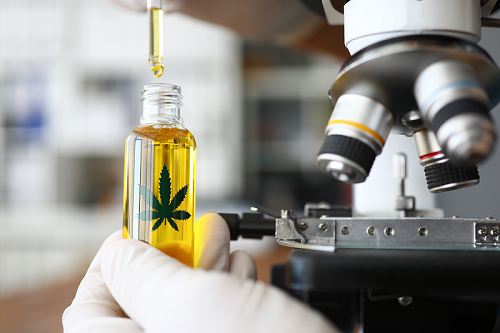
SRB 3000 : ( 8500 mg of RAW Cannabis Extract & 3000mg Cannabinoids ) @ ₹ 7500

Whole plant medical cannabis Tinctures / Full spectrum raw medical cannabis Tinctures-- are some of the terms which are interchangeable used for Raw Medical Cannabis Tinctures. Cannabis Tincture is a homogenized (Each drop is same across the solution) mixture of Cannabis extract along with a medicinal grade MCT oil (C8 chains of medium chain triglycerides), this needs to be 100% Coconut Derived.

Price: INR(GST Included)
0 / 5

Product Insight

SRB 3000 : ( 8500 mg of RAW Cannabis Extract & 3000mg Cannabinoids ) @ ₹ 7500

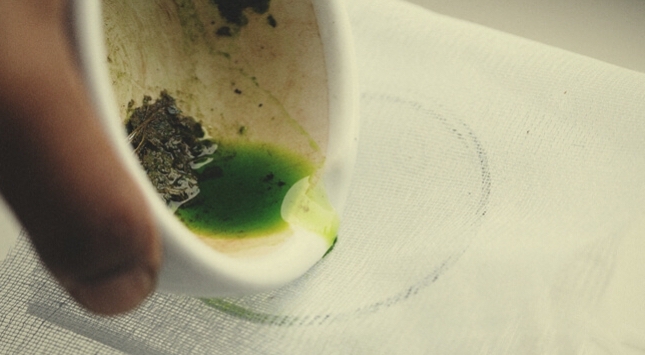
MCT oil increases the bioavailability (pace of absorption in body) of cannabinoids by faster absorption and higher permeability. This acts in the same way as Honey if taken with any Ayurvedic medicine increases its bioavailability of the medicine in the body. Raw means cannabis is unheated, or “non-activated,” cannabis. This means that it has not been through a process called decarboxylation, that means Medical extract or raw cannabis dried bio mass has not undergone a chemical process as a result of heating over time. The Raw cannabis extract if prepared in a proven scientific way will certainly contain below detailed out Terpenes, flavonoids, cannabinoids. Raw extract contains CBD & THC in limited quantity, but larger chunk of CBDA and THCA is also present. Sufficient amount of CBG is present too, CBG is the pre stage of CBN. Just because of the presence of all the Phytochemicals known or unknown, proven scientifically or unproven are definitely present in the extract along with Plants natural waxes, Lipids, and chlorophyll. We normally correlate the term of Full spectrum to white light wherein all colors possible are present.
PRODUCT CONTENT

INGREDIENTS

   Cannabinoid count of SRB3000

   2400mg  CBD  & 600mg  THC 

   3700 mg of  RAW vijaya Extract.  

INDICATIONS

   Drop Count of SRB3000

   30 ml of Tincture has 720 drops 

   0.25 ml of Extract contains 6 drops

DOSAGE

   Cannabinoid Strength per ml of SRB3000

   30 ml has 2400 mg of CBD + 600 mg of THC

    0.25 ml has 20 mg of CBD + 5 mg of THC

SIDE EFFECTS

      Keep out of reach of children.   

PRECAUTIONS

      Keep out of reach of children.   

ADMINISTRATION

      Keep out of reach of children.   


QUALITY

Distillation VS  Extraction

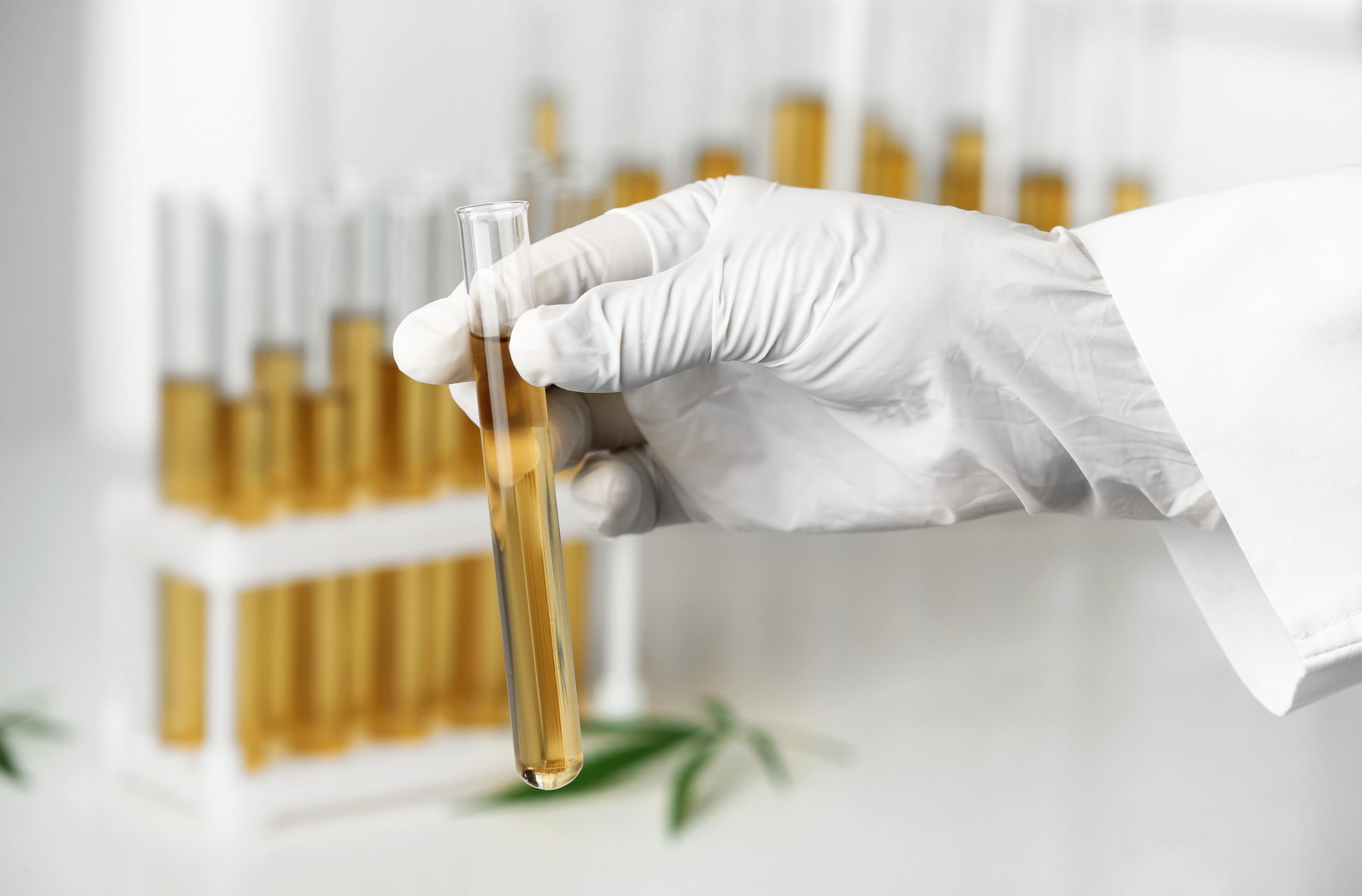
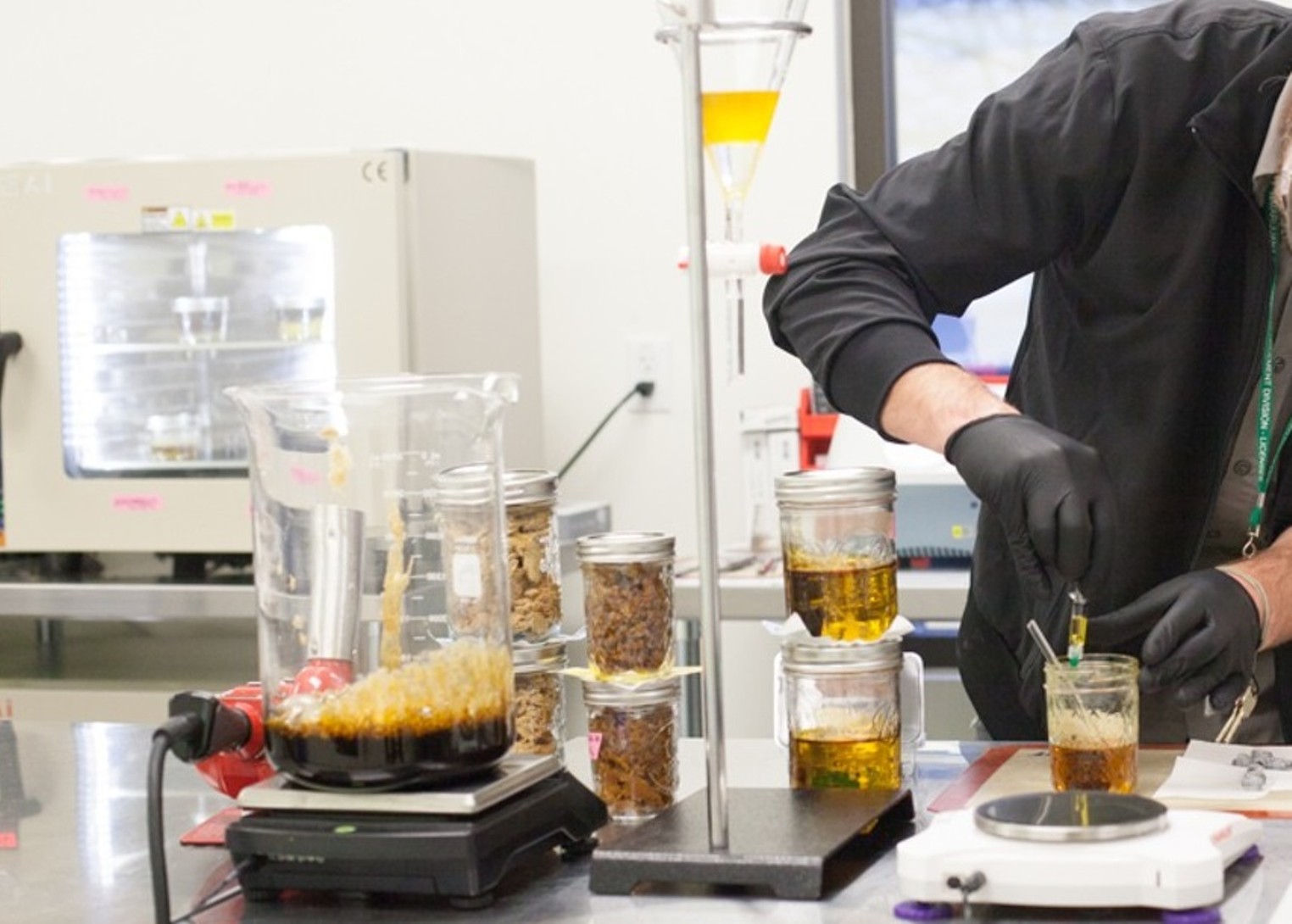
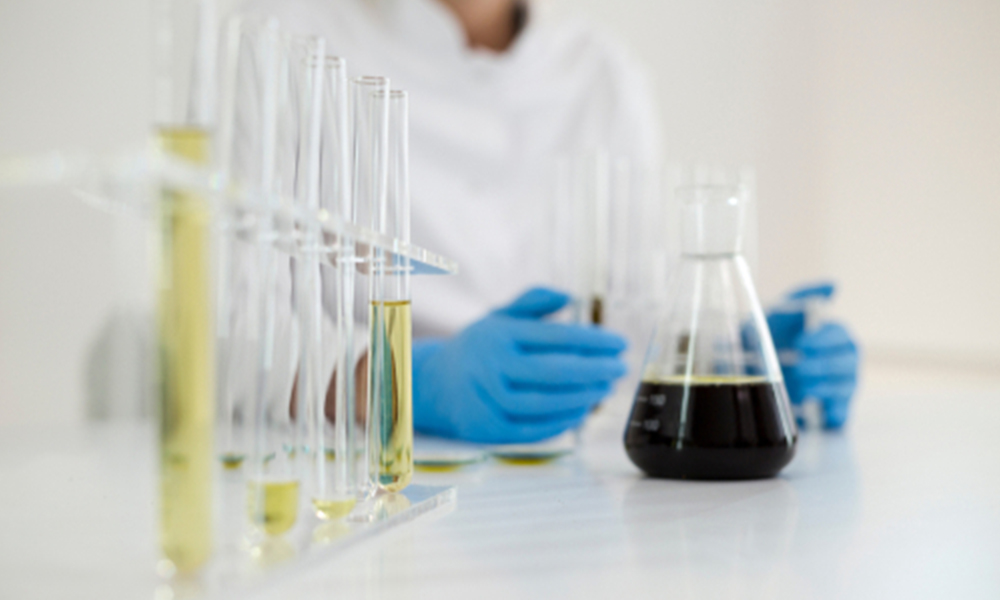
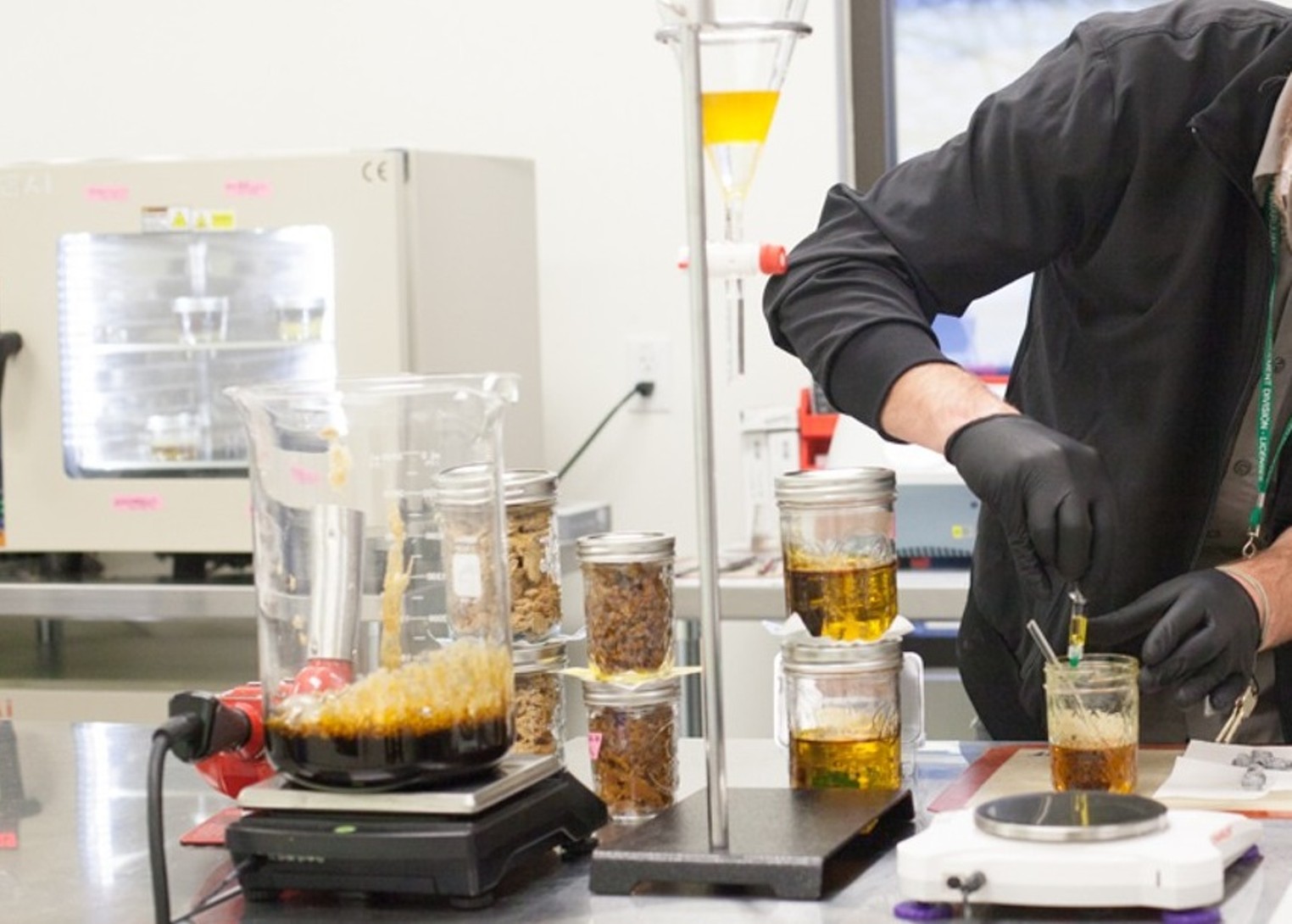
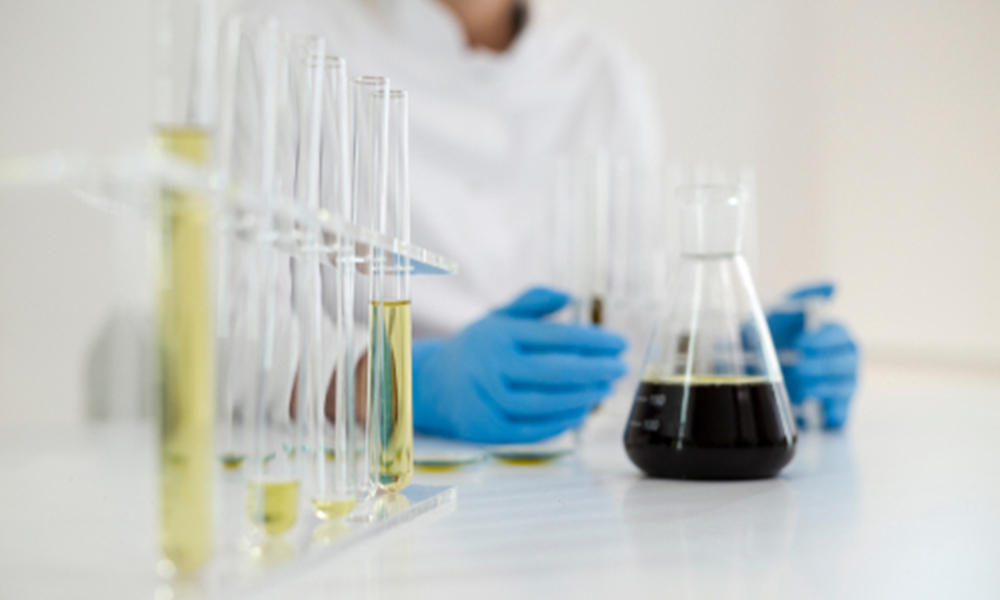
This might be obvious to chemists or folks who work in cannabis processing, but there are a lot of people who don’t know the difference between distillation and extraction. Scientifically, they are different in the following ways: extraction is a process that uses some sort of solvent to dissolve desired compounds. The “raw extract” that results directly from an extraction will vary widely depending on the solvent and method. Distillation uses boiling point differences (and relatedly molecular weight or size of molecules) as a way to separate a mixture. The end product is a high-percentage cannabinoid compound that is a glassy solid at room temperature and almost clear to yellowish amber in color. Distillates are related to extracts because it’s necessary to create an extract first before the distillation step. The method and solvent can vary, but the feedstock or starting point of the distillation process is going to be a partially refined oil with already relatively high concentrations of cannabinoids that was made via some extraction.


Image 1
Image 1

Distillation alone is not a way to separate the cannabinoids into individual isolated compounds. The boiling points of the cannabinoids are too similar to one another to make distillation a viable option because of molecular degradation as well as time, energy, and efficiency issues. Pure, unformulated distillate does not have any residual solvents or terpenes because these compounds have lower boiling points than the cannabinoids and are separated out before or during the distillation process.


RESEARCH

The unscientific language of classifying different strains or chemovars as “indica” or “sativa” will not be covered in this column, but these terms are particularly incorrect to use when referring to distillate product. The molecular profile of distillates is not very complex and the vast majority (~80–95%) are cannabinoids. While there can certainly be differences in the cannabinoid ratio profiles, any other differences in the biomolecular profiles have essentially been removed. There are processors that have the scientific wherewithal to isolate the cannabis terpenes from each batch in-house before they’re lost in any post-processing. There are a variety of ways to accomplish terpene isolation that won’t be covered here. Terpenes can be formulated back in with finished distillate, either the native cannabis-derived versions or mixtures formulated to mimic certain strains from other botanical sources. However, given the complicated molecular profile of the cannabis plant, and the fact that different strains don’t have scientifically defined chemical profiles, it’s arguable at what point the strain name should be used to label a highly refined mixture of cannabis-derived concentrate.

Image 1
Image 1

Acidic cannabinoids do have a very large place in medicinal applications. Acidic cannabinoids generally are much better at being anti-inflammatory agents. THCA, for example, is a much better anti-inflammatory agent than THC. Consequently, if you're trying to use cannabis from a medicinal point of view and you're trying to say, treat rheumatism or some kind of inflammatory chronic disease like arthritis, you can use acidic cannabinoids quite effectively, especially if you're not trying to get stoned. For a consumer, such as an older adult, who wants to treat inflammation but doesn’t want to get high, they can use acidic cannabinoids to do that and actually get the effect they're looking for because then they're not going to have that psychoactivity. 


MORE INFORMATION

Image
Image
Image

FAQ

;